
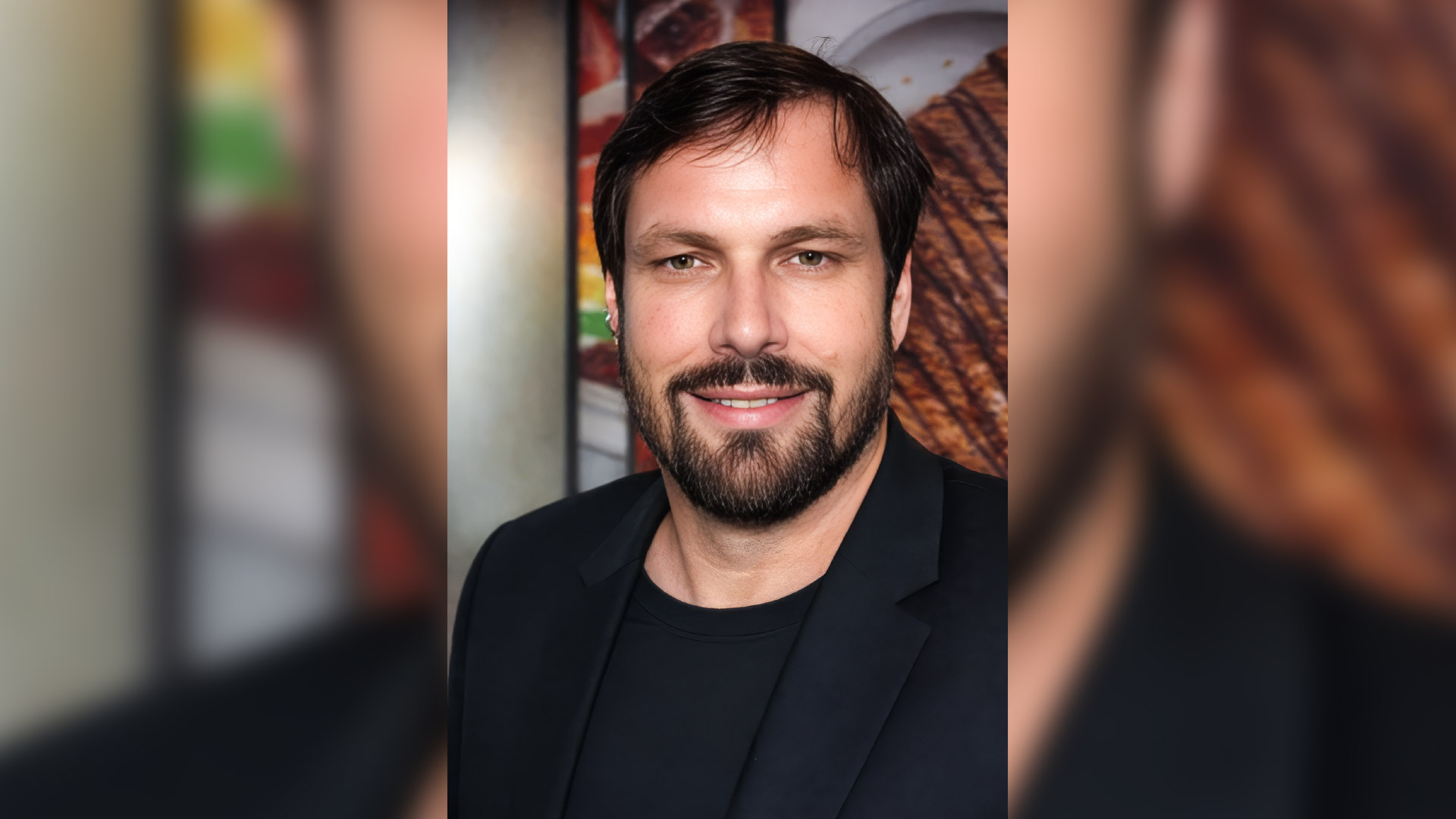
William Groh describes himself simply as a technologist. “Technology has always been my thing,” he says — a mindset that has shaped his nearly 20-year career in the managed service provider (MSP) industry. For the past seven years, he has brought that focus to Livewire, currently serving as its executive vice president for global growth.
In recent years, that role has presented some unique challenges, as William has been part of the leadership team navigating the company through a period of unexpected change.
From the beginning, Livewire focused on cloud computing and infrastructure as a service. While the cloud has offered advantages, lately companies have noticed some significant drawbacks as well. “Around maybe 2020, people started saying there’s no customer service. The cloud has lost its humanity, the price keeps going up, and it’s this robot that just keeps taking a percentage of the margin,” William explains. Instead of focusing on the individual needs of customers, the cloud services companies were pushing businesses to fit into their model. Livewire, he says, has taken a different approach.
Old School, On Purpose
“Livewire brings it back to the old school,” William says. “We take a more traditional approach.”
In addition to following industry standards and best practices, Livewire prioritizes customer connections. “Customers know us, and part of that is that we’re a smaller company,” William says. Another part is how they operate. Livewire wants customers to feel like they are partnering with people who care about their business as much as they do, rather than feeling like they’re dealing with an anonymous machine.
All of the company’s customers are in the MSP ecosystem, and many have been with Livewire for 10 or more years. “We built relationships with them where we’re their people, and they’re our people,” William says. Those customers are out in the field, doing what they need to do, while Livewire supports them, managing the back end.
“Livewire brings it back to the old school,” William says. “We take a more traditional approach.”
Paradigm Shift
Those relationships became critical when Livewire faced a significant existential challenge: Broadcom’s acquisition of VMware, which drastically changed the landscape. Livewire had been partners with VMware for about 15 years, selling and supporting their products and training staff in the environment. But the acquisition brought price increases, license restructuring, and ultimately license revocations for roughly 1,500 VMware partners, William explains.
For Livewire, the choice was stark: stay in the VMware ecosystem and accept the margins and requirements dictated by the new structure or forge a new path. “We chose to forge a new path,” William says, opting for Proxmox, an open-source product from a European company. “Anybody can look at the source code, see how it’s built, and take a copy to build their own solution,” he explains. This approach protects Livewire and its customers from facing a similar crisis in the future.
But transitioning was far from simple. Moving from a closed-source commercial software to an open-source solution, William says, was a true paradigm shift. “I always tell customers that the bridge from VMware to Proxmox is covered with broken glass,” he says. “And that speaks to the challenges out there.”
To craft their solution, Livewire blended Proxmox with commercial storage and other components to create a stack that felt familiar to VMware users. “Our team worked more than a year trying to solve these challenges,” William shares. It was a continuous process of testing and building everything customers would need.
Expanding Capacity
With the heavy lifting of that transition largely complete, growth in 2026 will focus on expanding what Livewire has built. The shift to Proxmox revealed the need for increased power and upgraded infrastructure. “We decided we would need new capacity,” William says. The company is migrating to larger data centers nearby, quadrupling capacity and power, while investing in newer-generation equipment and architectural changes. “2026 is going to be about getting it out there to the market, and there’s huge demand,” he says.
Livewire is well-positioned to meet varied customer needs, from those requiring help with their own deployments to those with full data centers that simply need support moving to Proxmox.
Advice from the Front Lines
Guiding Livewire through these upheavals has given William some key takeaways for other businesses. First, start planning and testing as early as possible. “This will take longer than you planned,” he says. “It costs more, it’s harder, and that’s true for anyone I’ve talked to who’s done this.”
Second, collaboration is essential. “Reach out to other service providers, reach out to the community,” William encourages. Many organizations are navigating the same transitions. He’s found collaboration to be helpful, inspiring, and even fun. “The spirit of collaboration is alive and well in the MSP and CSP community,” he says.
Outside of Livewire, William has embraced Miami’s growing technology scene. Since moving back a couple of years ago, he has enjoyed the beaches, nightlife, and the city’s emerging reputation as a tech hub. “The scene in Miami is a blend of nightlife, technology, and excitement,” he says.

3 Key Takeaways
People First, Technology Second: Even in a tech-driven business, relationships matter. Strong client connections and a committed team can carry a company through disruptive industry shifts. Investing in culture and service is a long-term revenue strategy.
Plan for the Unexpected: Shifts in software, partnerships, or pricing can upend your business overnight. Start early, test relentlessly, and expect the transition to take longer and cost more than anticipated.
Collaboration Unlocks Innovation: Open-source solutions and community partnerships can create flexibility and resilience. Working with peers and industry partners not only eases transitions but sparks new ideas and opportunities.